
Quality > Quantity
July 14, 2025
Share
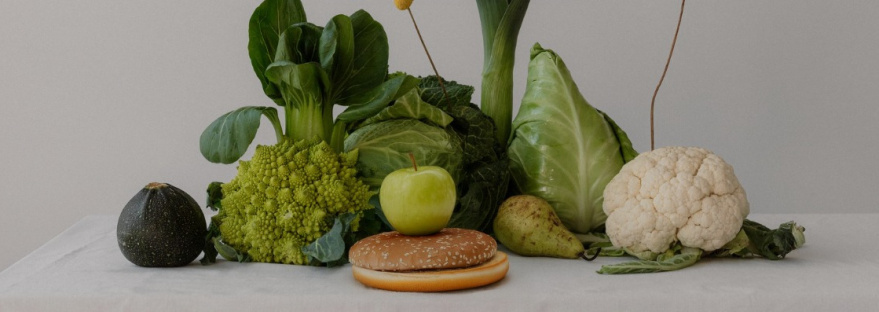
Why in the modern world that we live in, does this adage not hold true, especially around food and nutrition? A few reasons come to mind when attempting to answer this quest
Firstly, for most of the population, the priority at question when deciding what to eat is how much can I consume and for how little money?
Secondly, amidst overly busy lifestyles, the allure and convenience of ‘fast food’ and packaged food ranks high.
The crux of the issue with modern day eating is that we have de-volved from what food means to our bodies and the significant role that it plays in all facets of our wellbeing.
Choosing food from whole food groups such as vegetables/fruits, protein, dairy, nuts/seeds/beans and whole minimally processed grains can ensure that the focus is on QUALITY food.
A vital part of being able to utilize these foods is having them prepped ahead of time for ease of eating during your busy day. A few tips for doing so are as follows:
- wash and chop up vegetables for a few days at a time, so that you can enjoy easily for raw snacks or cooked meals
- purchase frozen fruits and vegetables for ease of use in smoothies, soups and in cooked meals
- purchase and cook a whole animal protein (chicken, lamb, turkey) and divide it up as needed for a few days of meals
- keep nuts and seeds portioned out in serving sizes for a quick snack
Another aspect of eating more nutrient dense foods is that the feeling of “fullness” or satiation in the body is satisfied better and for a longer period because of the fiber, vitamins/minerals and antioxidants that are plentiful in whole foods vs the empty calories of processed fake food. Here is a sample 700 calorie meal for comparison of quality vs quantity.
|
Aspect |
Quality Meal |
Quantity Meal |
|
Meal Example |
Grilled salmon (4 oz), quinoa (½ cup), roasted vegetables (1 cup), avocado (¼), olive oil drizzle, mixed greens salad |
2 cheeseburgers from fast food and fries |
|
Calories |
~700 kcal |
~700 kcal |
|
Protein |
30–35g (lean fish, quinoa) |
20–25g (mostly from processed meat) |
|
Fats |
Healthy fats (olive oil, avocado, salmon omega-3s) |
Unhealthy fats (saturated, trans fats from frying and cheese) |
|
Carbs |
Complex carbs (quinoa, veggies, fiber-rich) |
Refined carbs (white bun, fries – low fiber) |
|
Fiber |
8–10g |
2–3g |
|
Micronutrients |
Rich in vitamins (A, C, K, B complex) and minerals (magnesium, potassium) |
Low – few micronutrients, mostly empty calories |
|
Satiety |
High – balanced macros and fiber keep you full longer |
Low – may feel full briefly, then crash/hunger soon after |
|
Health Impact (long-term) |
Supports heart, metabolism, weight control |
Increases risk of obesity, heart disease, insulin resistance |
Food is more about NOURISHMENT of the whole body. Food is the basis for the building of our bodies. Food provides the foundational health of every organ and every system in the body. Therefore, choosing QUALITY in the food that you feed yourself is treating your body with love, care and respect, and you deserve that.